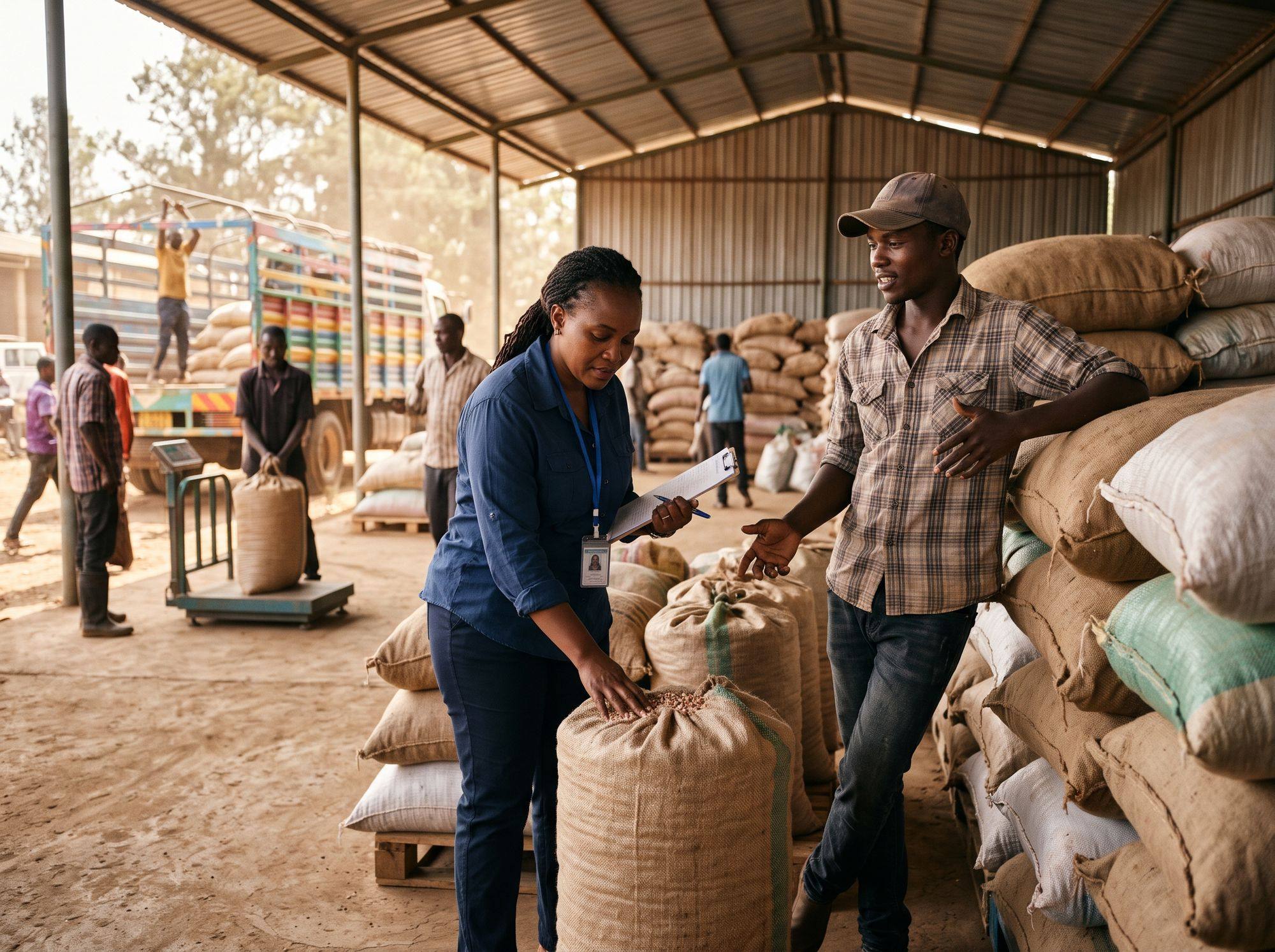
Start Local. Build African. Connect Global.
Turn what your community grows into skills, products and income
AYAFSI works alongside young people and farmers to learn practical agribusiness, add value to local produce and reach buyers beyond the village market.
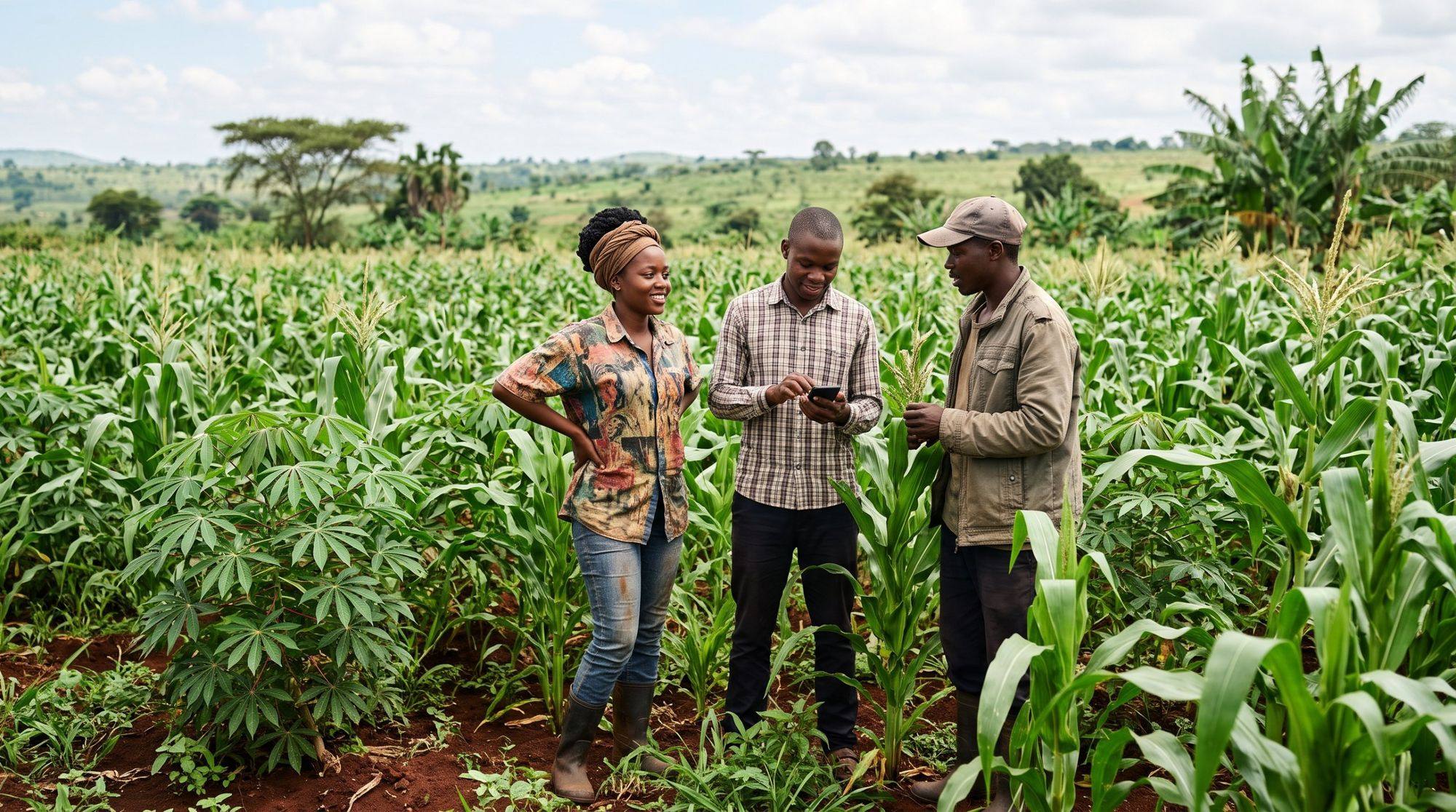
The resources are there. The bridge to a business often is not.
Skills
Few chances to learn agribusiness by doing, with tools that match the farm.
Finance
Loans and investment are hard to reach without records or a clear plan.
Value addition
Most produce is sold raw, at the lowest price in the chain.
Losses
A large share of the harvest spoils before it is sold or eaten.
Markets
Producers rarely meet the buyers who would pay more.
Youth participation
Many young people see farming as a last resort, not a business.
The Local to Global model
Every programme follows the same path. We start with what a community already has and work step by step toward stable businesses and food on the table.
- 1
Local resources
Crops, land, livestock and knowledge already in the community.
- 2
Youth and farmers
The people who decide what to grow, make and sell.
- 3
Skills and technology
Practical training, record keeping and tools that fit local conditions.
- 4
Value addition
Drying, sorting, processing and packaging so produce keeps and earns more.
- 5
Agribusiness
Costing, pricing, financial literacy and a plan that holds up.
- 6
Market access
Introductions to buyers, cooperatives, lenders and partners.
- 7
Jobs and food security
Income that stays in the community and fewer losses after harvest.
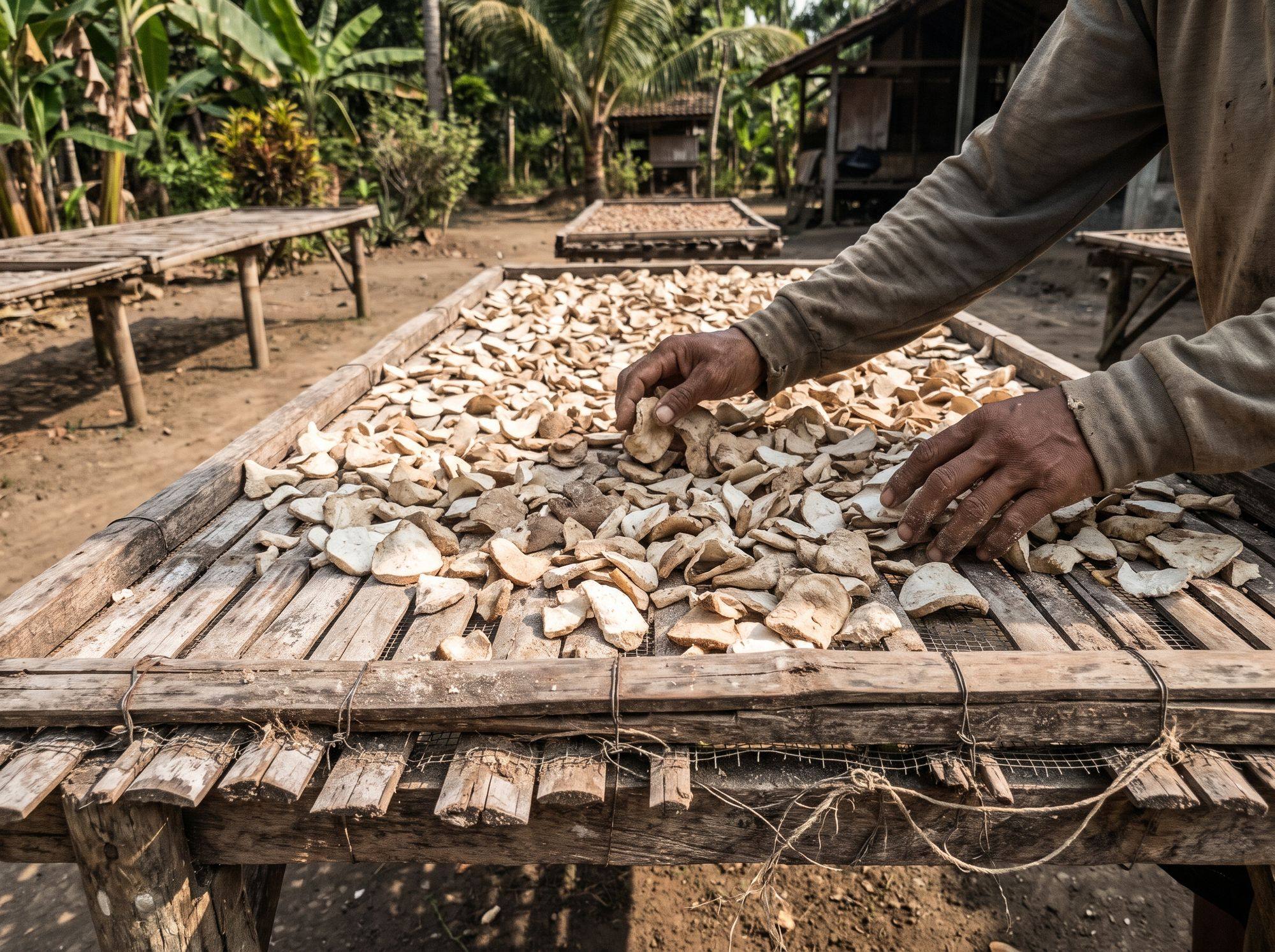
One commodity, followed from field to buyer
Each pilot picks one crop that grows well locally and follows it the whole way: production, handling, processing, branding and sale. What works is written down so the next community can repeat it.
See how programmes runWho we work with
- Young people interested in agriculture and enterprise
- Smallholder farmers and producer groups
- Women and youth-led agribusinesses
- Food processors, agricultural startups and cooperatives
- Local agricultural communities and their leaders
Progress, counted from real records
These figures update as our team records sessions, attendance and verified results. Nothing here is a projection.
4
People registered as participants
0
People who attended training
0
Sessions held
0
Agribusinesses started or improved
Reporting period: the programme has not recorded its first session yet. Last updated: 17 Nov 2026.
Buyers, funders and institutions make the chain work
We work with agricultural organisations, training institutions, private buyers, financial institutions and development partners. Tell us what you can offer and what you are looking for.
Partner with us